





Why every room speaks a different language — and how to fix it.
Your living room is warm oak and soft textures. Your kitchen is cool steel and clean lines. Your bedroom feels like it belongs to someone else entirely. Separately, each space looks fine. Together, they don’t feel like home — they feel like rooms you collected.
This happens because most people furnish gradually. A chair because it was on sale. A table because you needed it. A finish because it was available. You scroll Instagram, find something beautiful in isolation, buy it. It looks stunning in photos. In your home, it clashes with everything else.
The design problem has a design name: material inconsistency.
Your brain can’t find a thread connecting the rooms. No visual anchor. No rhythm. Everything feels accidental.
Interior designers use one simple principle: repetition creates intention.
Place the same finish in three different rooms, and something shifts. Your brain recognises the pattern. Suddenly the home feels like someone planned it, not assembled it by accident.
ONE OBJECT =
Decoration.
TWO OBJECTS =
Coincidence
THREE OR MORE =
A clear material story.
The good news: you don’t renovate or replace anything. You just add 3–4 carefully chosen pieces in one finish, placed where your eye naturally lands. Everything else stays.
Anonymia pieces do more than sit beautifully in one room. They move through your home and quietly connect it. The same object can live on a coffee table today, serve at dinner tomorrow, and land on a bedroom dresser next week.
That is what makes them powerful: the finish stays consistent, even as the function and the location change. You are not adding random objects. You are repeating one material language across the spaces you live in every day.
5
PLACES ONE PIECE MIGHT LIVE IN A YEAR
One simple step to make the right decision for your home.
Choosing Anonymia isn’t complicated. It depends on one thing: what finish already exists in your home?
Look at your floors, furniture, and built-ins. Your choice should match their temperature — not exactly, but in the same family. That’s it.
Walk through your home. What do you see?
If you want to be precise, check this:
Numbers matter for your brain to register the pattern.
3
PIECES IS WHERE INTENTION BEGINS
By home size:
All in the same finish. Shapes vary. Finish stays consistent.
Important: These pieces aren’t fixed to one room. A Vrull on your coffee table today moves to your dining table tomorrow. An entryway console migrates to your office during work season. A bedroom accent lives on your kitchen counter next month. The pieces flow through your home with your needs. The finish creates continuity. The location is always changing.
Still unsure? Answer this:
1. Is your home more WARM, COOL, or DARK?
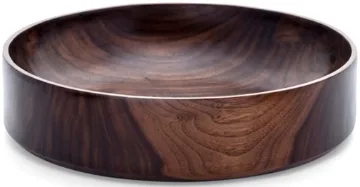
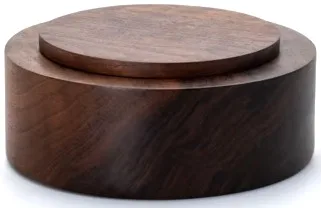
→ Warm = pick Ash, Oak, or Walnut
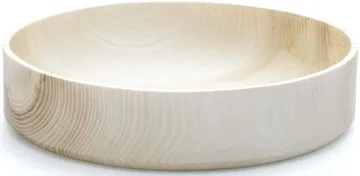
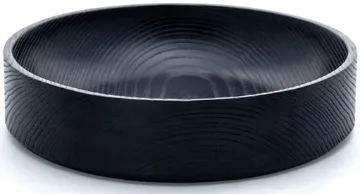
→ Cool = pick Bleached Ash (or Yakisugi if you want drama)
→ Dark = pick Walnut (warm-dark) or Yakisugi (cool-dark drama)
→ Unsure = pick Walnut (works everywhere)
2. What finish would make your home feel MORE intentional?
→ Repeat what’s already there (oak floor → buy Oiled Oak pieces)
→ OR anchor scattered woods (mixed woods → buy Walnut pieces to “ground” the space)
→ OR add drama (dark elements → buy Yakisugi to lean into the mood)
Done. You have your answer.
Five case studies — and what actually worked.
Theory is one thing. Real homes are another. Here are five scenarios that might look like yours.
Case 1: Japandi Home with Mixed Woods
Oak parquet floors. An ash dining table (veneered). A teak sideboard. Metal shelves. The owner bought each piece from Instagram — beautiful individually, but together they created visual chaos. No finish repeated. No pattern. No story.
Four pieces in Walnut: coffee table, entryway tray, bedroom dresser, living room shelf.
It’s darker than any existing wood (oak, ash, teak). Instead of competing with them, Walnut became the anchor — the darkest, most grounded element. The brain stopped trying to “solve” mixed woods and instead read: “Oh, this is intentional. Walnut is the thread.”
The coffee table piece wasn’t locked to the living room. When the owner hosted dinner, it moved to the dining room beside the teak sideboard — suddenly tying the two spaces together. When guests left, it returned home. The bedroom dresser accessory moved to the office during work months. The entryway tray rotated to the kitchen counter seasonally. Same finish. Different locations. Same visual story everywhere.
Suddenly the home felt like one coherent space, not three rooms stitched together. The mixed woods became “layers” instead of “accidents.” And because the pieces could move, they were never static — they adapted to how the owner actually lived.
Case 2: Farmhouse Home with Vinyl Oak Floor and Pine Furniture
Oak-pattern vinyl flooring (warm, but slightly plasticky feeling). Light pine furniture everywhere. Lots of Instagram finds — textiles, baskets, objects. Everything was light and warm, but flat. No visual depth. No grounding.
Five pieces in Sandblasted Oak: dining table, entryway console, living room shelf, kitchen counter accent, bedroom shelf.
Same warm honey tone as the vinyl floor, but textured. The rough surface added tactile depth and character. It felt more grounded, more real, than smooth oak. The farmhouse aesthetic suddenly made sense.
These pieces never stayed in one place. The dining table accent moved to the kitchen counter to hold bread during meal prep, then migrated to the bedroom shelf to hold candles. The living room shelf piece traveled to the home office for seasonal decorating. The entryway console swapped with bedroom elements depending on the season. Each piece served multiple functions, multiple rooms, multiple purposes.
The space went from “light and scattered” to “light but intentional.” The textured pieces felt lived-in and authentic. And because they moved constantly, the owner felt ownership over them — they weren’t decorations, they were tools that served her life.
Case 3: Minimal Home with Whitewashed Floors and White Everything
Whitewashed oak parquet. All white/grey furniture. The owner wanted something — but wasn’t sure what without breaking the minimal aesthetic.
She bought warm Walnut. It looked like a mistake. Like she’d accidentally brought furniture from a different house.
Returned it. Bought Bleached Ash instead. Four pieces across the home: coffee table, entryway console, bedroom nightstand, office shelf.
Cool and pale, like the whitewashed floor. It stayed true to the aesthetic instead of fighting it. It added material presence — wood grain, tactile surface — without adding warmth or colour.
The pieces never stayed put. The coffee table accent moved to the office during work season, then returned home. The bedroom nightstand piece traveled to the living room shelf during summer, back to the bedroom in winter. The entryway console rotated to the kitchen when entertaining. Each location maintained the same cool, pale aesthetic — but the pieces kept the space from feeling static.
The home stayed minimal and calm. But it gained depth and richness through texture and form, not through colour. And because the pieces could move without breaking the aesthetic, the space felt alive — intentional but flexible.
Case 4: Contemporary Home with Dark Accents and Mixed Neutrals
Warm beige walls. Oak flooring. But also dark grey velvet sofa, dark metal frames, and a moody vibe. The owner wanted the space to feel more intentional and sophisticated — less “warm family home,” more “curated contemporary.”
Four pieces in Yakisugi: coffee table, entryway console, bedroom accent shelf, living room statement shelf.
Yakisugi is charred, almost black — it commits to a mood. It balanced the warm oak floor and beige walls by introducing sophisticated darkness that echoed the grey sofa and metal frames. Not heavy. Intentional.
These pieces moved constantly. The coffee table accent migrated to the entryway during the day, then returned to the living room for evenings. The bedroom shelf piece moved to the office, then the dining room. The living room statement shelf traveled to the entryway for seasonal displays. Each location told the same story: “This is designed. This is intentional.” But the pieces were never fixed. They flowed through the home.
The space went from “warm + some dark pieces” to “deliberately contemporary.” Yakisugi became the signature finish — the element that said “this home is designed, not assembled.” The dark accents felt like part of a plan, not accidents. And because they could move, the owner constantly discovered new combinations and arrangements.
Case 5: Industrial Loft with Warm Brick and Steel
Polished concrete floors. Exposed steel beams. But also exposed warm brick walls and copper light fixtures. No wood anywhere. Felt cold and hard.
Four pieces in Sandblasted Oak: entryway console, living room coffee table, bedroom shelf, home office desk accent.
The textured, rough surface echoed the industrial aesthetic. The warm honey tone connected with the warm brick and copper. It softened the space without betraying its industrial bones.
The pieces weren’t confined to their “assigned” rooms. The entryway console moved to the dining area when entertaining. The coffee table accent traveled to the home office. The bedroom shelf rotated to the kitchen. The desk accent migrated to shelves around the loft. Each space maintained the same warm, textured story. But because the pieces could move, the owner could constantly rearrange and refresh without buying anything new.
The loft gained a human, tactile element. It stayed true to its architecture while becoming warmer and more livable. And the constant movement of pieces meant the space never felt static — it was always adapting, always fresh, always intentional.
Which one looks like your home?
If you see yourself in one of these, you know your finish. And you know that these pieces won’t just sit in one spot. They’ll move, adapt, and change with how you actually live.
We'd rather tell you no than have you disappointed.
We make beautiful objects. But we’re honest about where they belong — and where they don’t.
Ultra-Cold Minimalist Spaces (All white/chrome/glass)
Your home is a gallery. Polished surfaces. No visible warmth. Adding a wooden object — even a beautiful one — breaks your own rules. It stands out as “that one natural thing” in a space defined by its absence of nature.
Bleached Ash or Yakisugi might help slightly. But honestly? Anonymia probably isn’t the tool.
The design problem has a design name: material inconsistency.
Your brain can’t find a thread connecting the rooms. No visual anchor. No rhythm. Everything feels accidental.
High-Drama Maximalist Spaces (More is more)
If your home thrives on colour overload, pattern chaos, and visual noise, quiet wooden objects won’t move the needle. They’ll either disappear or add one more thing to an already crowded composition.
Maximalism needs drama. Wood whispers. These aren’t compatible.
Fully Packed Interiors (No empty surfaces)
If every shelf, table, and console is already full — and you don’t want to remove anything — then Anonymia won’t work. These pieces need breathing room. Clear sightlines. Space around them. And they need room to move, to migrate between spaces, to serve different functions in different locations. They’re punctuation, not filler. They’re tools, not decoration.
Anonymia works best when:
✓ Your home feels warm, natural, calm, moody, or contemporary (Japandi, Biophilic, Scandinavian, Farmhouse, Contemporary, Industrial)
✓ You like the idea of repeating one finish across rooms to create subtle connection
✓ You’re willing to clear a little space on key surfaces (coffee table, console, dresser, shelf)
✓ You understand these pieces are sculptural AND functional — they’re not fixed decorations, they’re moving, changing, serving your actual life
✓ You think of your home as one whole, not a collection of Instagram-worthy corners
✓ You want pieces that adapt and change rather than pieces locked into one purpose or one room
If You’re Unsure
Send us photos. Describe your space. Describe how it feels to you. Describe how you actually live — what moves, what stays, what seasons matter.
We’ll tell you honestly: does Anonymia solve your problem? Or are you better served elsewhere?
We’d rather tell you “no” than have you disappointed with “yes.”
Three rules — and why your pieces should never stay in one place.
Placement matters more than the product itself.
The most beautiful object in the wrong place looks scattered. The same object in the right place looks intentional.
But here’s the game-changer: Anonymia pieces move. They don’t lock you into one arrangement forever. They’re not furniture. They’re tools.
These pieces have no single purpose. A Vrull is a bowl until you need it to be a serving piece, a bedroom accent, a kitchen counter tool, a home office organizer, a seasonal display piece, a dining room centerpiece.
They move through your home like water finding different containers. The finish stays the same. Everything else changes.
You’re not buying “a coffee table accent.” You’re buying a piece that will live in 5 different places this year, serve 10 different functions, adapt to every season and every need. That’s the whole point.
Rule 1: Place Where Your Eye Naturally Goes (But Be Ready to Move It)
In any room, there are spots your eye lands first.
Living Room: Coffee table (natural gathering point)
Entryway: Console table opposite the door (first impression)
Bedroom: Nightstand (where you sit)
Place a piece there initially. But don’t lock it there. If you hide it on a high shelf or behind closed doors permanently, it can’t create the visual thread you’re paying for. But if you move it seasonally, weekly, or daily between visible locations, it stays powerful.
The rule is: visible locations only. But those locations can change constantly.
Rule 2: Give It Breathing Room (Wherever It Is)
One piece surrounded by clutter looks like clutter.
One piece with space around it looks intentional.
Good:
Bad:
Think of each piece as a pause in the room. Without space, the pause disappears. This applies whether it’s in the living room or the kitchen or the office. Every location needs breathing room.
Rule 3: Create a Triangle (Then Let It Move)
One piece = decoration. No message.
Two pieces = coincidence.
Three pieces in the same finish = pattern your brain recognizes as intentional.
Simple initial placement:
1. Where you spend most time (living room)
2. Where you arrive (entryway)
3. Where you rest (bedroom)
This creates a “triangle” of the same finish through your home. Your brain registers the pattern as intentional.
But then they move. The living room piece travels to the office. The entryway piece goes to the kitchen. The bedroom piece lives on the dining table. New triangles form. The pattern stays. The locations change.
Think of your pieces like seasonal decorations. They rotate through your home.
A piece might move from your bedroom to your living room depending on your morning routine.
Hosting dinner? Move living room pieces to the dining table. Guests leave? They return home.
Winter focused on the bedroom? Pieces concentrate there. Summer entertaining? They migrate to the living room and kitchen.
Work from home this month? Pieces move to the office. Back to the living room next month? They flow back.
This isn’t instability. This is flexibility. This is a home that adapts to how you actually live, not a home that demands you live around static decoration.
1. Place where you naturally look (but be ready to move it)
2. Give it empty space around it (wherever it is)
3. Create a triangle initially, then let the pieces flow through your home
Do this, and a few objects will transform your home more than a whole shelf of Instagram finds that don’t belong together. And because they move, they’ll stay fresh, intentional, and perfectly adapted to how you actually live.